
Why Bathroom Remodels Go Over Budget
You planned a $30,000 bathroom remodel. Your contractor gave you a detailed quote. You picked finishes, signed the contract, and felt confident. Then demolition started—and suddenly you’re hearing about rotted joists, outdated plumbing, and “unexpected conditions” that weren’t in the original estimate.
Sound familiar? Bathroom remodel cost overruns are frustratingly common, especially in Gwinnett County homes built in the 1990s and early 2000s. But most budget blowouts aren’t the result of shady contractors or bad luck—they happen because homeowners and contractors alike underestimate what’s hiding behind the walls.
This guide explains exactly why bathroom projects go over budget, what hidden costs to expect, and how to protect yourself without padding your budget by 50% “just in case.”
What’s in This Guide
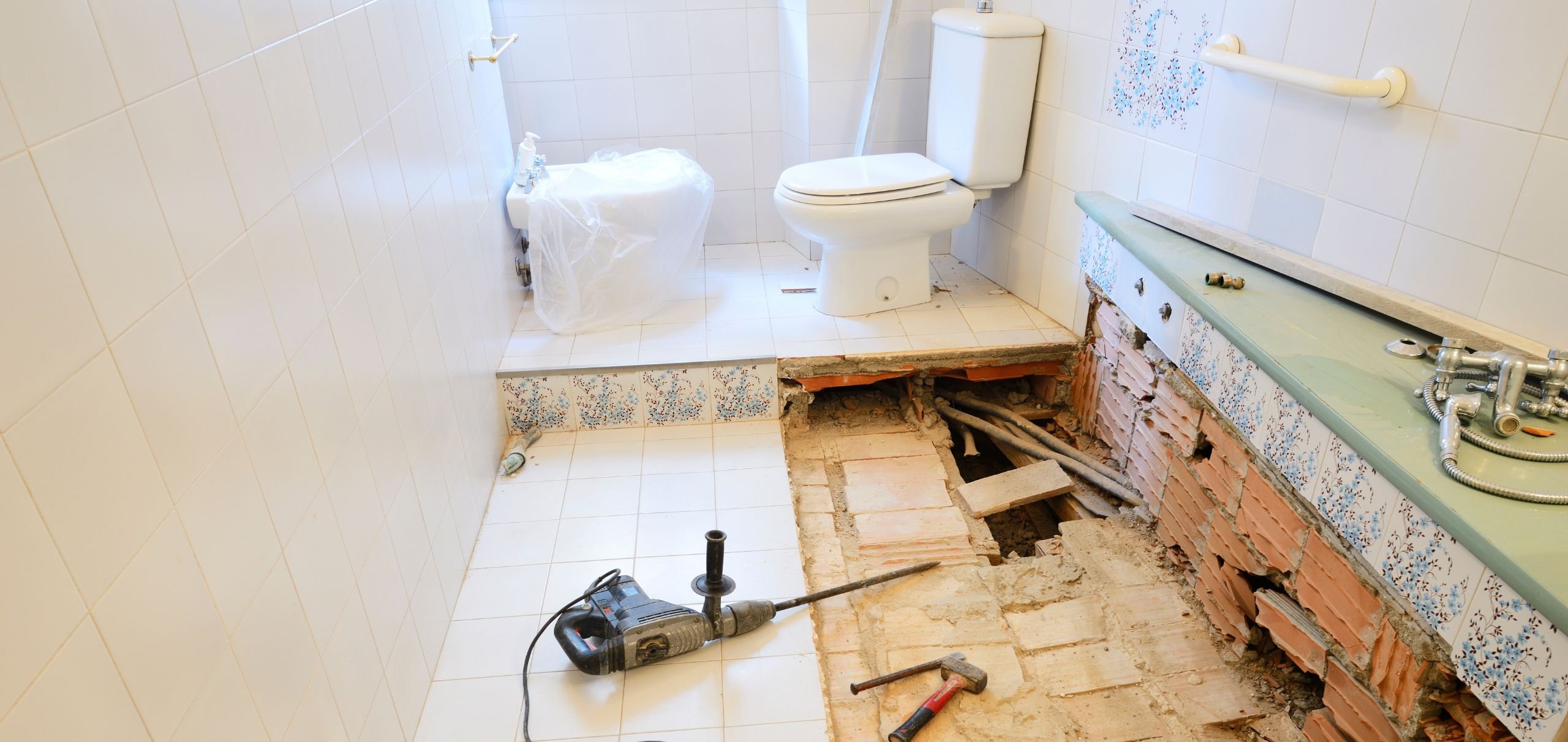
Proper planning prevents budget surprises during your bathroom remodel
Which Type of Remodeler Are You?
The Budget-Conscious Planner
You’ve saved for this remodel and have a firm number in mind. You want quality work but can’t afford surprise costs eating into your budget.
Your biggest risk: Underestimating structural unknowns and being forced to choose between finishing the project or leaving it incomplete.
The “Do It Right” Homeowner
You prioritize quality and longevity over the lowest bid. You’re willing to spend more if it means avoiding future problems, but you still want transparency.
Your biggest risk: Scope creep—adding “while we’re at it” upgrades that push a $35K project to $50K without realizing it.
The First-Time Remodeler
This is your first major home project. You’re nervous about the process, unsure what questions to ask, and trying to figure out what’s normal versus what’s a warning sign.
Your biggest risk: Trusting a vague estimate without understanding what’s included, what’s excluded, and what allowances really mean.
Why Initial Quotes Miss the Mark
Most contractors aren’t trying to lowball you. They’re estimating based on what they can see—finished walls, a functioning toilet, tile that looks fine from the surface. The problem? Bathroom remodels require demolition to reveal the real condition of your space.
In Gwinnett County, we see the same issues in homes built during the 1990s–2000s construction boom: builder-grade materials installed quickly, minimal waterproofing, and corners cut to meet tight timelines. Your bathroom may have looked fine for 20 years, but once the tile comes up, you discover the subfloor has been slowly rotting from a leaky shower pan.
Even the most detailed estimate can’t account for what’s hidden. That’s not a flaw in the process—it’s the reality of remodeling older homes. The key is knowing what unknowns to prepare for and how to respond when they show up.
Pro Tip: Ask your contractor if they include a pre-construction assessment or exploratory work before finalizing the quote. Some contractors will remove a small section of tile or drywall to check for structural issues before locking in a price. It adds a few hundred dollars upfront but can save thousands in surprises.
How Scope Creep Destroys Budgets
Structural surprises account for about half of budget overruns. The other half? Homeowners changing their minds mid-project.
It starts innocently. The tile you picked online looks different in person, so you upgrade to a pricier option. Then you see the new tile and decide the vanity you ordered doesn’t match, so you swap that too. Before you know it, you’ve added $6,000 in material changes—plus restocking fees, labor delays, and reordering costs.
The Most Common Scope Creep Scenarios
“While We’re Here” Additions
Walls are open, so why not add recessed shelving? Floors are up, so why not run heated floors into the hallway too? Each addition feels small but adds $1,500–$3,000.
Material Upgrades Mid-Project
Switching from porcelain to natural stone tile, upgrading faucet finishes, or choosing a fancier vanity after seeing the tile installed. Material swaps cost 20–40% more than the original allowance.
Layout Changes After Demo
Deciding to move the shower or toilet after demolition begins requires re-routing plumbing, additional framing, and timeline delays. Costs jump by $2,500–$7,000.
The fix: Lock in every finish, fixture, and layout detail before demolition starts. If you’re not 100% confident in your tile choice, order samples and live with them for a week. Changing your mind costs exponentially more once the project is underway.
What Pushes Cost Up vs. What Keeps It Down
↑ What Pushes Cost Up
- Moving plumbing or electrical fixtures
- Natural stone tile (especially large format)
- Custom vanities or built-in cabinetry
- Removing walls or expanding square footage
- High-end fixtures (rainfall showers, freestanding tubs)
- Structural repairs discovered during demo
- Permit delays or code compliance upgrades
- Changing materials or layout mid-project
↓ What Keeps Cost Down
- Keeping plumbing in the same locations
- Porcelain tile that mimics natural stone
- Stock or semi-custom vanities
- Maintaining the existing footprint
- Mid-range fixtures with quality finishes
- Choosing finishes early and sticking to them
- Working with a contractor who pulls permits on time
- Setting a realistic contingency fund upfront
The takeaway: You don’t have to choose builder-grade materials to stay on budget. But moving a toilet 3 feet or swapping tile twice will cost you more than upgrading to premium fixtures while keeping the layout intact.
How Much Contingency You Really Need
Every reputable contractor will tell you the same thing: plan for a 15–20% contingency fund. Not because they expect to use it all, but because remodeling uncovers unknowns.
Here’s how to think about it based on your home’s age and project scope:
12–15% Contingency
If you’re keeping the same layout and there are no signs of water damage or prior installation problems, major surprises are generally less likely. Budget $3,000–$4,500 on a $30,000 bathroom remodel.
15–20% Contingency
Full bathroom demolition can uncover subfloor damage, outdated plumbing connections, inadequate waterproofing, or electrical corrections. Budget $4,500–$6,000 on a $30,000 bathroom remodel.
20–25% Contingency
Older homes are more likely to have aging plumbing, outdated wiring, undocumented repairs, or hidden moisture and structural issues. If original materials may predate the 1980s, test suspect materials before demolition. Budget $6,000–$7,500 on a $30,000 bathroom remodel.
What if you don’t use the full contingency?
Any unused contingency goes back to you. Think of it as insurance—you hope you don’t need it, but it protects you from having to halt the project or make tough compromises if issues arise.
6 Ways to Protect Your Budget
You can’t eliminate all unknowns, but you can dramatically reduce the chance of major cost overruns by following these strategies.
1. Get a Detailed Written Estimate with Clear Allowances
Your estimate should break down labor, materials, permits, and allowances for finishes. If your contractor lists “tile: $3,000 allowance,” ask what quality and quantity that covers. Vague estimates are a recipe for surprise costs.
2. Choose All Finishes Before Demo Starts
Tile, vanity, fixtures, hardware, paint colors—lock them in before demolition begins. Last-minute changes cause delays, restocking fees, and labor adjustments. Your contractor should give you material selection deadlines during planning.
3. Understand What’s Included vs. Excluded
Does your estimate include permit fees? Dumpster rental? Paint? Exhaust fan installation? Mirror and accessories? Ask your contractor to clearly mark what’s in scope and what’s not. The lowest bid often excludes the most items.
4. Request Pre-Construction Documentation
Some contractors will remove a section of tile or drywall before finalizing the quote to check for hidden issues. It costs a few hundred dollars but provides a much more accurate estimate. If your contractor refuses, consider it a red flag.
5. Build in a Communication Plan for Changes
Ask your contractor how they handle change orders. Will they notify you before proceeding with additional work? Will they provide written cost estimates for surprises? A good contractor will document structural issues with photos and explain the cost impact before moving forward.
6. Set a Realistic Contingency Fund
If you can only afford a $25,000 bathroom remodel, budget $22,000 for the project and $3,000 for contingency. Don’t stretch to $25,000 and hope nothing goes wrong—you’re setting yourself up for stress and tough decisions mid-project.
Pro Tip: Review the Complete Bathroom Remodel Planning Guide to understand the full scope of decisions you’ll need to make before your project starts.
Red Flags in Your Estimate
Not every contractor is transparent about costs. Here are warning signs that your estimate may be setting you up for budget surprises.
🚩 Vague Line Items
“Labor: $12,000” with no breakdown of what labor includes—demo, plumbing, tile, electrical, finishing?
🚩 Unrealistically Low Allowances
“Tile allowance: $800.” For a full bathroom? That’s 10 sq ft of decent tile. Expect a huge upcharge when you pick real materials.
🚩 No Permit or Disposal Costs
If permits and dumpster rental aren’t listed, they’ll show up as extras later. These add $800–$1,500 to most projects.
🚩 “We’ll Figure It Out Later”
Any contractor who waves off questions about material specs, timelines, or what happens if issues arise is setting you up for conflict.
🚩 No Written Contract or Change Order Process
If your contractor doesn’t use written change orders for additional work, there’s no paper trail to protect you from surprise bills.
🚩 Pressure to Sign Before You’re Ready
“This price is only good until Friday.” Quality contractors don’t use high-pressure sales tactics. They answer your questions and give you time to decide.
Non-Negotiable: If your estimate doesn’t include a clear scope of work, material allowances, payment schedule, and timeline, don’t sign it. A professional contractor will provide all of this upfront.
Common Questions About Bathroom Remodel Budgets
Why did my bathroom remodel cost more than quoted?
+
Most bathroom remodels go over budget due to hidden structural issues discovered during demolition, scope changes requested mid-project, material upgrades beyond the original allowance, permit delays, or plumbing/electrical repairs that weren’t visible during the estimate. Structural surprises like water damage, outdated wiring, or improper framing account for the majority of unexpected costs.
What hidden costs come up during a bathroom remodel?
+
Common hidden costs include rotted subfloor or joists from old water damage ($800–$3,500), outdated plumbing that doesn’t meet current code ($1,200–$4,000), electrical upgrades required for modern fixtures ($600–$2,500), mold remediation ($500–$3,000), and structural reinforcement for heavy tile or tubs ($400–$1,800). In Gwinnett County homes built in the 1990s and early 2000s, subfloor issues and builder-grade plumbing are the most frequent surprises.
How can I keep my bathroom remodel on budget?
+
Set aside a 15-20% contingency fund, get a detailed written estimate with clear allowances, avoid changing your mind mid-project, choose your finishes early, work with a contractor who does thorough pre-construction assessments, and understand what’s included versus excluded in your quote.
Lock in material selections before demolition begins and communicate any concerns immediately rather than waiting. Keep plumbing fixtures in their current locations whenever possible, as moving them significantly increases costs.
What’s a realistic contingency budget for a bathroom remodel?
+
Plan for 15-20% of your total project cost as a contingency fund. For a $25,000 bathroom remodel, that’s $3,750–$5,000. Older homes (pre-1990) should budget closer to 20-25% due to higher likelihood of hidden issues. Homes built after 2000 can often manage with 12-15% if no major layout changes are planned. Any unused contingency returns to you at project completion.
Should I choose all my bathroom materials before the project starts?
+
Yes. Finalizing all tile, fixtures, vanity, hardware, and paint selections before demolition begins prevents costly delays and budget overruns. Last-minute changes often mean reordering materials, pushing timelines, and incurring restocking fees or rush shipping costs. Your contractor should provide material deadlines during the planning phase. If you’re not 100% confident in a finish, order samples and live with them for a week before committing.
What should a detailed bathroom remodel estimate include?
+
A professional estimate should break down labor costs by trade (demolition, plumbing, electrical, tile, finishing), material allowances with clear specifications, permit fees, dumpster rental, timeline with milestones, payment schedule, and a clear scope of what’s included versus excluded. Vague line items like “labor: $12,000” or unrealistically low allowances are red flags. Ask for clarification on anything that isn’t specific.
How much does it cost to move plumbing in a bathroom remodel?
+
Moving a toilet, sink, or shower typically adds $2,500–$7,000 to your project depending on how far the fixture is relocated and whether you’re working with a slab foundation or crawl space. Costs include re-routing drain lines, supply lines, venting, additional framing, and subfloor modifications. Keeping fixtures in their current locations is one of the most effective ways to control costs without sacrificing quality.
What’s scope creep and how do I avoid it?
+
Scope creep happens when you add features or upgrade materials mid-project—”while we’re here” additions like recessed shelving, material swaps after seeing the tile installed, or layout changes after demolition starts. Each small addition feels minor but collectively adds thousands to your budget. Avoid it by finalizing every decision before demo, resisting the urge to upgrade once work begins, and remembering that changes mid-project cost 30-50% more than if planned from the start.
Ready to Plan Your Bathroom Remodel the Right Way?
We believe in transparent estimates, realistic timelines, and no surprises. Let’s walk through your project together—no pressure, no pitch, just honest guidance to help you make informed decisions.
Serving homeowners throughout Gwinnett County, Georgia