
Deck and Outdoor Living Design Guide for Gwinnett County Homeowners
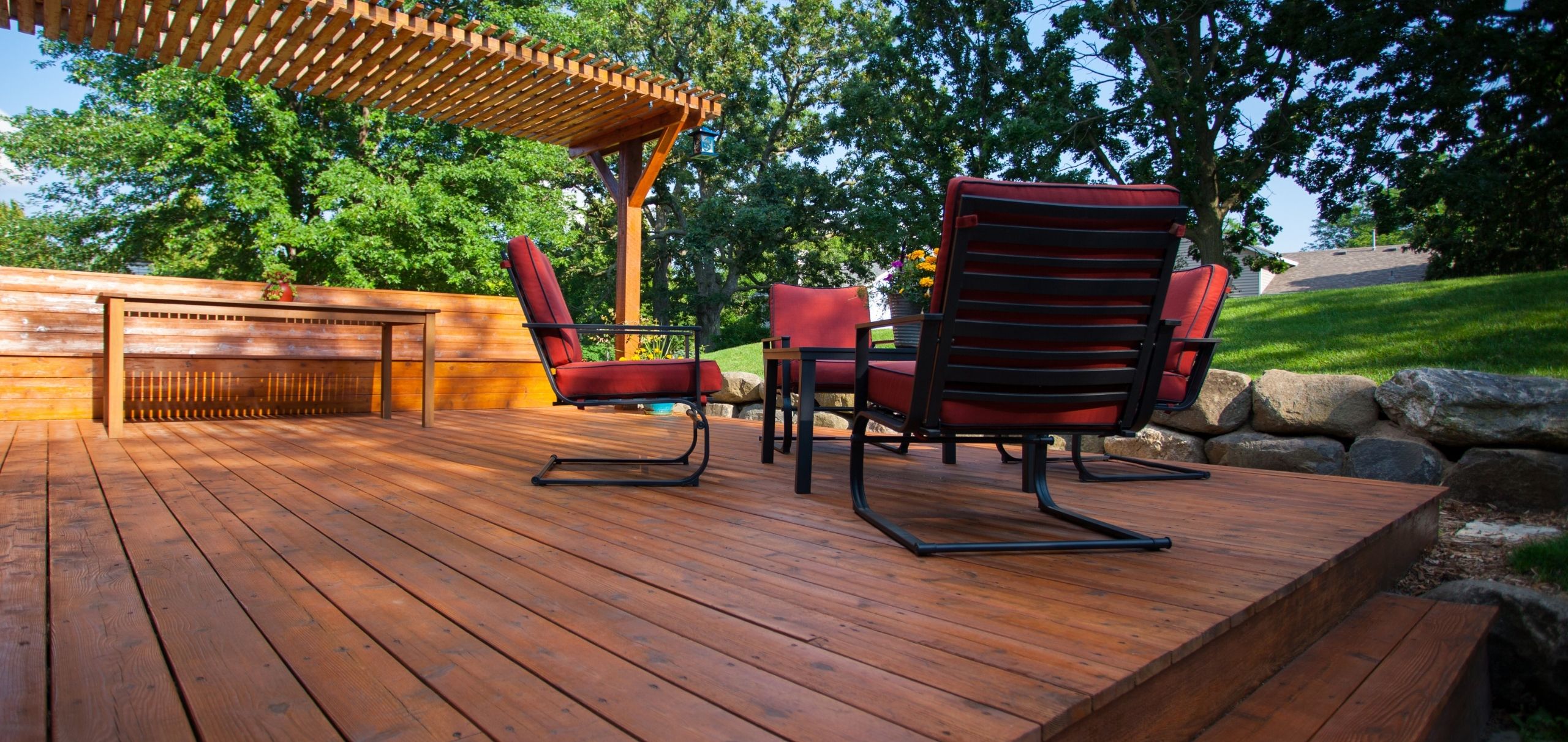
You’ve scrolled through enough backyard photos to fill a Pinterest board. But when you stand in your own yard—looking at the patchy grass, the old deck your builder slapped on, and the two plastic chairs you never sit in—it’s hard to see how the pieces fit together.
Most Gwinnett County homeowners start planning outdoor spaces backward: they pick a deck size, choose materials, then wonder why the finished space doesn’t feel right. The truth is, outdoor living design starts with how your family actually uses the space—not with lumber dimensions.
This guide walks through the design process the way we approach every outdoor living project: function first, materials second, and aesthetic details last. By the end, you’ll know exactly what questions to ask, which features matter for your lifestyle, and how to build a space your family will actually use—not just admire from the kitchen window.
Table of Contents
- Which Type of Outdoor Space Are You Planning?
- Start With Function, Not Features
- Layout Planning: Creating Zones That Flow
- Deck vs. Patio: What Works for Your Yard
- Roofs, Pergolas, and Shade Solutions
- Materials That Work in Georgia’s Climate
- Creating Privacy Without Closing In
- Design Mistakes We See Homeowners Make
- Frequently Asked Questions
Which Type of Outdoor Space Are You Planning?
🍔 The Weekend Entertainer
You host cookouts, game days, and family gatherings. You need space for 10–15 people, a grill station with prep space, dining area, and casual seating zones.
Focus on: Traffic flow, multiple seating clusters, outdoor kitchen functionality, weather protection.
☕ The Daily Escape
Your backyard is for morning coffee, evening wine, reading, and quiet family dinners. You want a comfortable retreat, not a party venue.
Focus on: Intimate scale, quality materials, cozy lighting, privacy screening, low-maintenance landscaping.
🏀 The Family Activity Zone
Kids, pets, sports equipment, and constant activity. You need durability, open space for play, and flexible seating that doesn’t block sightlines.
Focus on: Durable surfaces, open lawn access, easy-clean materials, shade for midday use, multi-purpose zones.
Start With Function, Not Features
The biggest mistake we see in outdoor living design is choosing features before defining function. A homeowner sees a built-in fireplace and outdoor TV in a magazine, adds them to the plan, then realizes they never actually sit outside in winter or watch TV outdoors.
Before you sketch a single design or pick a single material, answer these questions honestly:
Activity Audit
- What will you do out here at least once a week?
- How many people use the space on a typical day?
- What time of day do you use it most (morning, afternoon, evening)?
- Do you grill, or do you cook full meals outdoors?
- Will you eat outside regularly or just occasionally?
- Do you need space for kids to play while adults relax?
Once you’ve identified your top 3–4 activities, you can start creating zones. Zones are defined areas for specific activities—not rooms with walls, but functional spaces with clear purposes.
Cooking Zone
Minimum size: 5×6 feet for a grill plus counter space
Ideal placement: Close to kitchen door, gas line, and electrical outlet
Must-haves: Landing space on both sides of grill, trash access, task lighting
Dining Zone
Minimum size: 12×12 feet for 6-person table with chair clearance
Ideal placement: Close to cooking zone, under shade or roof
Must-haves: Weather protection, level surface, ambient lighting
Lounge Zone
Minimum size: 10×10 feet for seating cluster (4–6 chairs)
Ideal placement: Separate from cooking/dining, with view or privacy
Must-haves: Comfortable seating, side tables, partial shade, soft lighting
Layout Planning: Creating Zones That Flow
Once you know what zones you need, the next question is how to arrange them. Good outdoor layout follows the same principles as interior design: zones should connect logically, pathways should be obvious, and sightlines should feel open, not cramped.
Here’s the process we use for every outdoor living project in Gwinnett County:
Tip: Map Your Sun and Shade
Go outside at 10 a.m., 2 p.m., and 6 p.m. on a clear day and note where the sun hits. In Georgia, west-facing spaces bake in afternoon heat—you’ll need shade there. East-facing areas get morning sun and afternoon shade, perfect for breakfast or coffee. North-facing spaces stay cool but dim. South-facing areas get full sun most of the day.
Step 1: Identify Your Primary Entry Point
Most outdoor spaces connect to the home through a kitchen or family room door. This door is your anchor—everything should relate to it logically. Your cooking zone should be within 10 feet of the door so carrying food, plates, and drinks isn’t a trek. Your dining zone should be close to the cooking zone but not in the traffic path.
Step 2: Define Traffic Paths
People move in straight lines when they can. Main pathways should be at least 36 inches wide—48 inches if it’s a high-traffic route. Don’t make guests weave around furniture or step over planters to get from the door to seating. If your layout forces awkward detours, people won’t use the space comfortably.
Step 3: Create Visual Separation Without Walls
Zones don’t need physical barriers. Use changes in elevation (a step down from deck to patio), material shifts (composite decking transitioning to stone pavers), or partial dividers (planters, low walls, pergola posts) to signal different areas. The goal is to define spaces without making them feel closed off.
↑ What Pushes Layout Problems
- Cooking zone too far from door
- No clear path through the space
- Furniture blocking circulation
- Dining in full afternoon sun
- Too many small disconnected zones
↓ What Makes Layout Work
- Cooking zone within 10 feet of door
- 36–48-inch-wide main pathway
- Zones flow logically: cook → dine → lounge
- Shade over dining and seating areas
- Larger, multi-use zones vs. many small ones
Deck vs. Patio: What Works for Your Yard
One of the first decisions in outdoor living design is whether to build a deck, a patio, or both. The answer depends on your home’s elevation, your yard’s slope, and how you plan to use the space.
Here’s what each option offers:
Deck
Best for: Elevated entry points, sloped yards, uneven terrain, second-story access
Structure: Posts, beams, joists, and decking boards
Materials: Composite or pressure-treated framing with composite or wood decking
Lifespan: 25+ years with composite, 10–15 years with wood
Maintenance: Annual cleaning, occasional board replacement
Patio
Best for: Ground-level spaces, flat yards, heavy furniture, fire pits
Structure: Gravel base, sand layer, pavers or stone on top
Materials: Concrete pavers, natural stone, flagstone, or poured concrete
Lifespan: 30+ years with stone, 20+ with quality pavers
Maintenance: Occasional re-sanding joints, power washing
Deck + Patio Combo
Best for: Multi-zone outdoor living, entertaining, yards with elevation changes
How it works: Elevated deck off the home transitions to ground-level patio
Common layout: Deck for dining/cooking, patio for lounge zone or fire pit
Why it works: Gives you distinct zones, handles slope naturally, adds visual interest
In Gwinnett County, most homes have a walk-out or slightly elevated back door. If your door is more than 18 inches off the ground, you need a deck. If your yard is flat and your door is at grade, a patio is simpler and often more cost-effective. If you want multiple zones and have the budget, a combination gives you the best of both worlds.
See examples of completed deck projects in our Roswell composite deck gallery, Decatur deck transformation, and Lawrenceville outdoor living build.
Roofs, Pergolas, and Shade Solutions
Here’s a fact we tell every client: if you skip overhead coverage, you’ll regret it within two summers. Georgia’s sun is brutal from May through September, and afternoon thunderstorms are unpredictable. Without shade or a roof, your outdoor space becomes unusable for most of the day.
You have three main options for overhead coverage:
Solid Roof
Coverage: 100% rain and sun protection
Best for: Year-round use, outdoor kitchens, dining areas
Materials: Architectural shingles, standing seam metal, or tongue-and-groove ceiling boards
Considerations: Needs structural support, building permit required, can feel darker without proper lighting
Pergola
Coverage: Partial shade, dappled sunlight
Best for: Lounge zones, visual definition, transitional spaces
Materials: Pressure-treated posts with slat roof, composite posts for low maintenance
Considerations: Won’t keep you dry in rain, less effective in midday heat, can be upgraded later with shade fabric or climbing vines
Retractable Awning
Coverage: Adjustable sun protection
Best for: Smaller decks, spaces where you want sun sometimes and shade other times
Materials: Fabric canopy, motorized or manual operation
Considerations: Must be retracted in high wind, fabric degrades over time (8–10 year lifespan), not a permanent solution
⚠️ Plan for Roof Load Before You Build
If you think you might add a roof later, tell your contractor during the initial design. Deck framing for a roof requires larger posts, deeper footings, and additional bracing. Adding a roof to an existing deck often means rebuilding the structure. Design for it now, even if you don’t install it until next year.
Materials That Work in Georgia’s Climate
Georgia’s climate is tough on outdoor materials. High humidity, intense UV exposure, temperature swings, and occasional ice mean not all products hold up equally. Choosing materials based on Pinterest photos instead of local performance is one of the costliest mistakes homeowners make.
Here’s what actually works in Gwinnett County:
Decking Materials
Composite Decking (Trex, TimberTech, Azek)
Pros: No staining, no splintering, 25+ year lifespan, fade-resistant, slip-resistant texture
Cons: Higher upfront cost, can get hot in direct sun
Best for: Families who want low maintenance and long-term durability
Pressure-Treated Pine
Pros: Low initial cost, familiar look, widely available
Cons: Requires annual staining, splinters, warps over time, 10–15 year lifespan before major repairs
Best for: Budget-conscious projects, temporary decks, structural framing (not decking surfaces)
Patio Materials
Natural Stone (Bluestone, Flagstone)
Pros: Beautiful, stays cooler than concrete, handles freeze-thaw, 30+ year lifespan
Cons: Higher cost, requires professional installation, irregular shapes complicate layout
Best for: High-end outdoor living, fire pit areas, natural aesthetic
Concrete Pavers
Pros: Affordable, uniform sizing, many colors and patterns, easy to replace individual pavers
Cons: Can fade over time, joints need occasional re-sanding, lower-end aesthetic
Best for: Mid-budget projects, geometric layouts, high-traffic zones
🚨 Skip These Materials in Georgia
- Cheap vinyl railings — they yellow, crack, and look dated within 3–5 years
- Untreated wood decking — will rot in Georgia’s humidity
- Basic concrete slabs without proper drainage — they crack and hold water
- Builder-grade wood stain — it peels in one season; use penetrating oil-based stain or skip wood entirely
Creating Privacy Without Closing In Your Space
Most Gwinnett County lots aren’t massive. Your neighbors are close, and privacy matters—especially if you’re entertaining or just trying to relax without feeling watched. The trick is blocking sightlines without making your outdoor space feel boxed in.
Here are the most effective privacy strategies:
Vertical Privacy Fencing
Height: 6–8 feet for full privacy
Materials: Cedar boards, composite slats, horizontal cable railing with privacy inserts
Best placement: Along property lines where neighbors’ windows or decks face yours
Evergreen Plantings
Species: Leyland cypress, arborvitae, skip laurel, clumping bamboo
Spacing: 4–6 feet apart for full coverage in 2–3 years
Best for: Softening the edges of your yard, creating natural barriers, blocking distant sightlines
Partial Screening Panels
Design: Lattice, slatted wood, or metal panels attached to deck posts or freestanding frames
Height: 5–7 feet, positioned strategically instead of surrounding the entire space
Best for: Adding privacy without blocking airflow or creating a closed-in feel
💡 Tip: Orient Seating Away From Neighbors
Before adding fencing or plantings, try repositioning your furniture. Face seating and dining areas toward your yard, not toward property lines. This simple shift can eliminate 50% of privacy concerns without spending a dollar.
Design Mistakes We See Homeowners Make
After building dozens of outdoor living spaces across Gwinnett County, we’ve seen the same mistakes repeat. Most aren’t about materials or budget — they’re about planning. Here’s what trips up homeowners most often:
🚩 Building Too Small
A 10×10 deck feels spacious until you add a grill and table. Most families need at least 200–250 square feet of deck space to use it comfortably. If you’re hosting or have multiple zones, budget 400+ square feet.
🚩 Ignoring Traffic Flow
If guests have to squeeze past the grill to reach seating, or step over furniture to get to the yard, your layout is wrong. Main pathways need 36–48 inches of clearance, period.
🚩 Skipping Shade
You’ll use an unshaded deck maybe 20 days a year in Georgia. With a roof or pergola, that jumps to 200+ days. Overhead coverage isn’t optional if you want year-round usability.
🚩 Adding Features You Won’t Use
Built-in fire pits, outdoor TVs, and elaborate kitchens look great in photos. But if you only grill burgers twice a month, a full outdoor kitchen is overkill. Design for your real habits, not aspirational ones.
🚩 Forgetting Lighting
Outdoor lighting isn’t just for looks—it’s for safety and usability after dark. Plan for recessed deck lights, post cap lights, and ambient string or sconce lighting during the build, not as an afterthought.
🚩 Choosing Materials Based on Price Alone
Saving $2,000 upfront with pressure-treated wood costs you more in maintenance over 10 years. Composite decking and quality stone pay for themselves through longevity and lower upkeep.
Frequently Asked Questions
How do I plan an outdoor living space that fits my family’s lifestyle?
Start by identifying how your family actually spends time outdoors. List activities like grilling, eating together, reading, playing, or entertaining guests. Then create zones for each activity—a cooking zone near utilities, a dining zone with shade and seating, and a play or lounging zone based on sun patterns. Measure traffic flow between zones and ensure pathways are at least 36 inches wide. Consider privacy from neighbors, wind patterns, and how much maintenance you’re willing to do. The best outdoor spaces reflect real behavior, not Pinterest fantasies.
What’s the difference between a deck and a patio for outdoor living?
A deck is an elevated wood or composite structure anchored to your home with posts and footings. Decks work well for sloped yards, uneven terrain, and second-story access. They require periodic maintenance but offer design flexibility. A patio is a ground-level surface of pavers, concrete, or stone laid on a compacted base. Patios suit flat yards, handle heavy furniture better, and require less maintenance. In Gwinnett County, many homeowners combine both—a deck off the back door transitioning to a stone patio with a fire pit.
How much space do I need for outdoor dining and entertaining?
For a six-person dining table, plan a minimum 12×12-foot zone—the table itself plus room to pull chairs out and walk around. Add 3–4 feet of clearance on all sides for comfortable movement. For a grilling station, allocate at least 5×6 feet including landing space for plates. Conversation seating groups need roughly 10×10 feet per cluster of 4–6 chairs. If you entertain 12+ people regularly, budget at least 400 square feet of usable outdoor space.
Should I include a roof or pergola in my deck design?
If you want year-round usability in Georgia’s hot summers and unpredictable rain, yes. A solid roof keeps the space dry and blocks intense afternoon sun. A pergola offers partial shade and architectural interest but won’t protect furniture or keep you dry. Most families who skip overhead coverage end up adding it within two years. If budget is tight, phase the project—build the deck structure first, then add a roof or pergola later. Just make sure your initial framing can support the future load.
What materials work best for outdoor living in Gwinnett County?
Composite decking outperforms wood in Georgia’s humidity—no rotting, splintering, or annual staining. Expect 25+ years with minimal upkeep. For patios, bluestone and flagstone handle freeze-thaw cycles and stay cooler underfoot than concrete. Pressure-treated pine works for structural framing but shouldn’t be used for decking surfaces. Avoid cheap vinyl railings—they yellow and crack. Powder-coated aluminum or composite railings hold up better. For outdoor kitchens, use stainless steel and weather-rated cabinetry designed for the Southeast climate.
How do I create privacy in my outdoor living space?
Vertical screening blocks sightlines without eating up yard space. Options include privacy fencing (6–8 feet tall), lattice panels with climbing vines, or vertical slat walls. Evergreen plantings like Leyland cypress or bamboo create natural barriers—space them 4–6 feet apart for full coverage in 2–3 years. Pergola side panels or outdoor curtains add flexible screening you can open or close. Position seating and dining zones away from property lines when possible, and orient gathering areas to face inward toward your yard rather than toward neighbors.
Ready to Design Your Outdoor Living Space?
We walk through your yard, listen to how you want to use the space, and design an outdoor living area that fits your lifestyle and budget. No pressure. No pitch. Just honest guidance from a local remodeling contractor who’s been doing this work in Gwinnett County for years.